
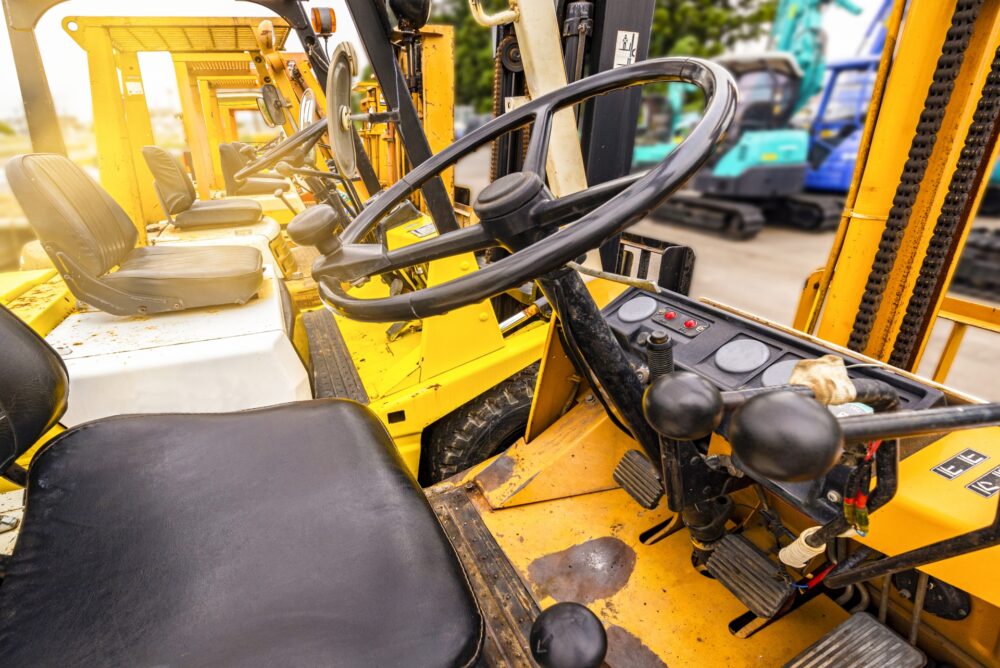
What is most frightening when operating construction machinery or heavy equipment is a sudden accident. Before the worst happens due to aging or insufficient maintenance, be sure to have your equipment properly inspected and repaired. In this article, we will introduce the typical process for requesting repairs for construction machinery and heavy equipment.
目次
Typical process for requesting construction machinery and heavy equipment repairs: Bring-in service
The “typical” example presented here uses our company, Saijuki Engineering, as the model.
Some providers may accept repair requests for construction machinery and heavy equipment through a completely different process; however, we believe our process is very standard, so we hope you will find it helpful as a reference.
First, we will introduce the repair process when you bring your heavy equipment or construction machinery to Saijuki Engineering.
Contact us by phone, Official LINE, or email
“It just doesn’t feel right”
“There is an unusual noise”
“There is clearly an oil leak”
“It smells burnt”
If you feel that the heavy equipment or construction machinery you use regularly is not performing properly, please contact us first via:
[Phone / Official LINE / Email]
Please describe the symptoms in detail
It is just like a hospital.
By telling us as specifically as possible about the current condition of your heavy equipment or construction machinery, we can advise on on-site temporary measures and also determine whether an on-site visit is necessary.
The more detailed you can be—down to the smallest details—the lower the repair cost may be.
One reason costs can be reduced is that it eliminates the need for trial-and-error investigation in the dark, allowing us to identify the repair point directly.
Estimate and delivery schedule
Based on what you tell us, we can likely provide a broad estimated range; however, the formal estimate and delivery schedule will generally be provided after you bring the machine in.
If it is certain that only a parts replacement is needed, we simply need to consider parts availability and lead time. However, as a rule, we inspect a wide range—not only the overall machine, but also related areas (for example, if repair A is needed, part B is likely under strain as well, so we should inspect that too).
This comprehensive inspection is one of Saijuki Engineering’s strengths.
This is to help prevent repeat repairs, and we appreciate your understanding.
Typical process for requesting construction machinery and heavy equipment repairs: On-site service
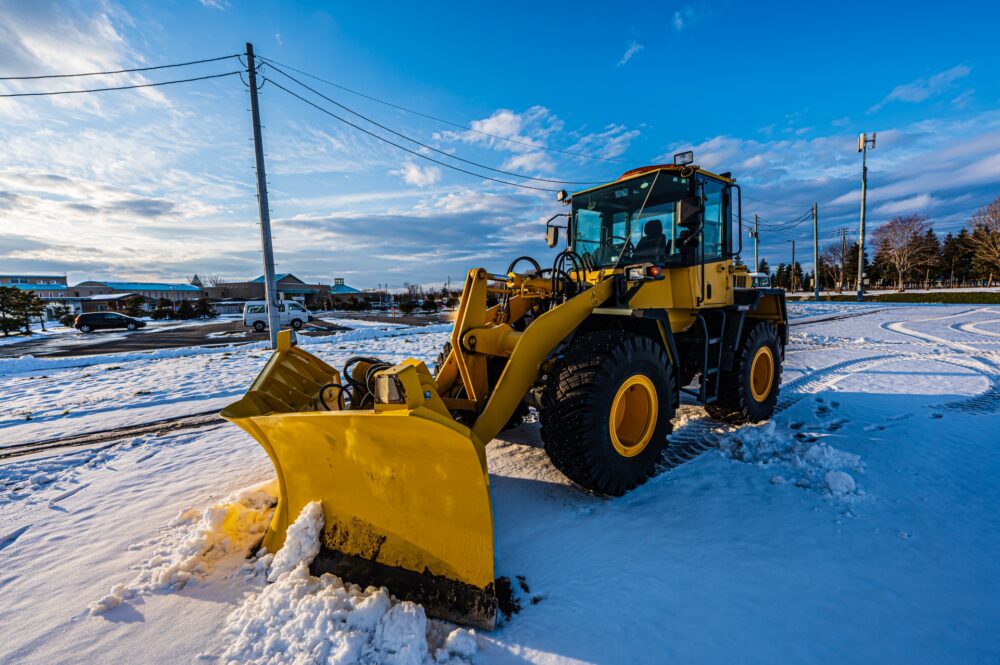
Your heavy equipment or construction machinery
“stopped working at the job site”
“will move, but cannot gain speed”
“is too far from Saijuki Engineering to bring in”
“needs urgent attention”
For various reasons, more customers are requesting on-site repairs for heavy equipment and construction machinery rather than bringing the machine in.
As the request process changes slightly, please review the following carefully.
Contact us by phone, Official LINE, or email
The basics are the same as for bring-in service.
Please describe the symptoms especially thoroughly
If you would like on-site repairs for heavy equipment or construction machinery, please keep in mind that you will need to describe the symptoms in even more detail than for bring-in service.
This is because:
• We need to arrive on site fully prepared with the necessary tools and parts.
If, after we arrive on site, you say,
“I forgot to mention this symptom as well,”
there is a possibility that we may not have brought the parts or tools needed to address that repair.
Because there are physical limits to what parts and tools can be brought for on-site service, providing more detail—and sometimes sending photos or videos—helps us understand the situation more accurately and enables higher-quality on-site repairs.
If the repair cannot be fully completed on site
For some on-site repair requests, depending on parts and tools, bring-in repair may be necessary.
In such cases, we will load the machine onto a transport vehicle and bring it to Saijuki Engineering’s in-house factory for repairs, inspection, and maintenance.
Summary
So far, we have explained the typical process for requesting repairs for heavy equipment and construction machinery, using Saijuki Engineering as an example, divided into bring-in repairs and on-site repairs.
For heavy equipment and construction machinery repairs, an important point is to communicate in detail the nature of the malfunction, damage, or area that is not operating properly.
Saijuki Engineering also provides on-site repairs throughout the Kanto region.
If the heavy equipment or construction machinery you use regularly
“doesn’t seem to be running well,”
“seems a bit off,”
please feel free to contact us for a consultation.